

by Jon Turney
"Naming his theory after the ancient Greek earth goddess, Lovelock's "Gaia hypothesis" argued that everything on the planet - air, water, soil, and living organisms - somehow act together in a global, self-organizing system to maintain conditions suitable to sustaining and perpetuating life. Lovelock speculated that the geosphere and biosphere were interdependent and that every part of the Earth system worked in symbiotic harmony with every other part. Once considered more science fiction than science, the Gaia hypothesis was met with indifference, and even hostility, when it was first revealed. The theory only started to gain widespread attention when emerging issues such as environmental degradation and global warming proved that a single species - humans - could radically upset the ecological and atmospheric balance of the planet. While Gaia attracted a quasi-religious following among environmentalists and New Age spiritualists, it was still largely viewed with skepticism by the sci
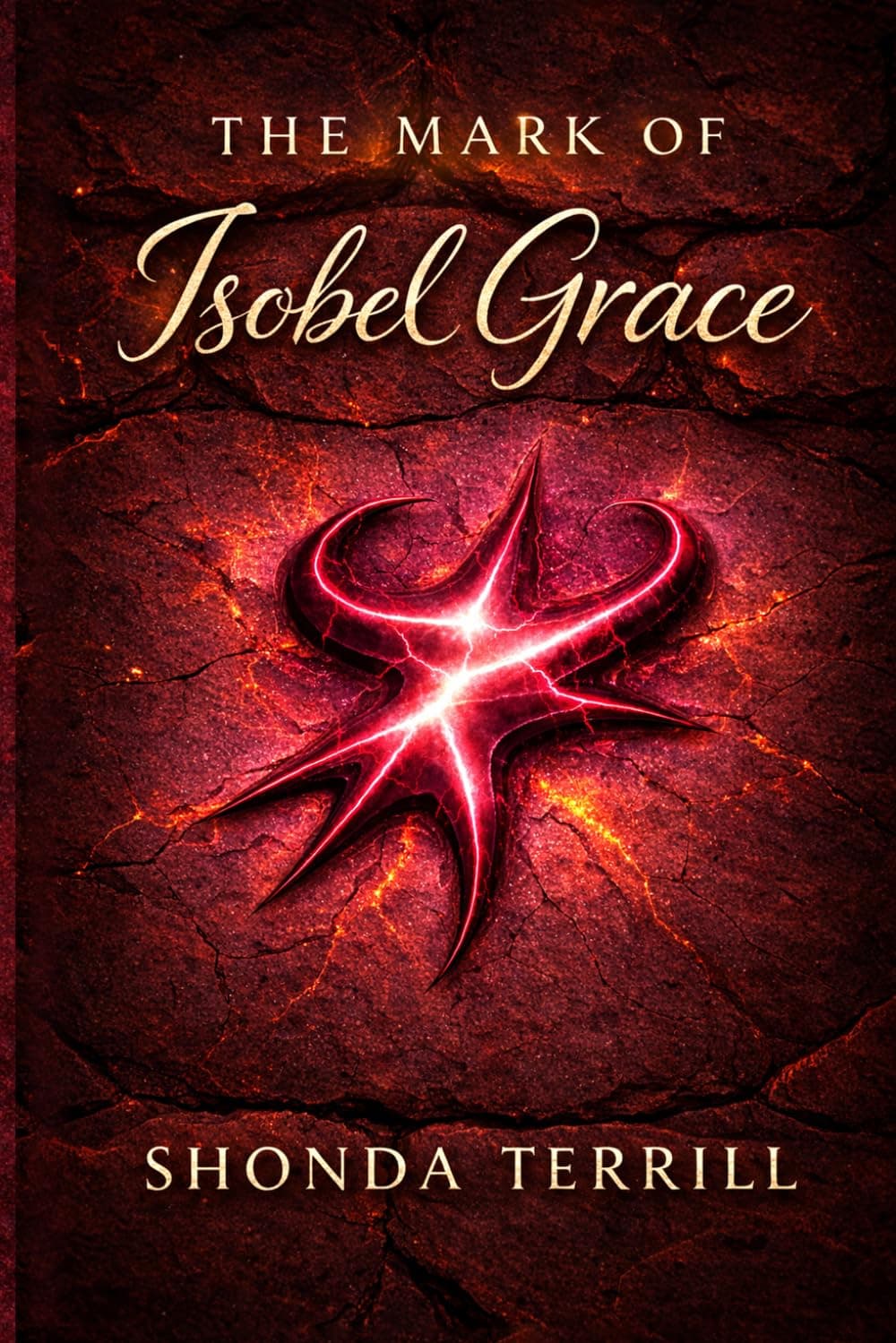
Shonda Terrill
Sky Bluethorne
Indie authors send us advance copies. We match them to readers by genre. You get the book free, the author gets an honest review.