🏆 Win $50 — Monthly contest Enter →🏆 Monthly contest — 5 winners get $50 · Enter now →
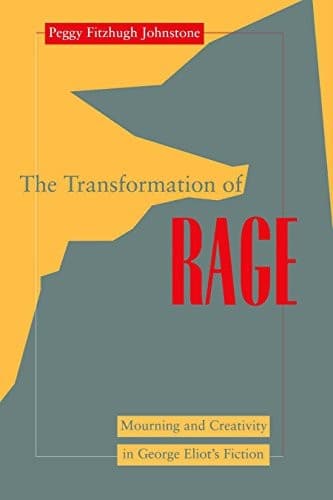
by Peggy Fitzhugh Johnstone
George Eliot has been widely praised both for the richness of her prose and the universality of her themes. In this compelling study, Peggy Fitzhugh Johnstone goes beyond these traditional foci to examine the role of aggression in Eliot's fiction and to find its source in the author's unconscious sense of loss stemming from traumatic family separations and deaths during her childhood and adolescence. Johnstone demonstrates that Eliot's creative work was a constructive response to her sense of loss and that the repeating patterns in her novels reflect the process of release from her state of mourning for lost loved ones. How then does Eliot's internalized aggression, rooted in her early life, find its way into her characters? How and why is it, in turn, denied by the author? And finally, how does the process of writing fiction help resolve it? Eliot's inner rage, Johnstone argues, was transformed into works of art and gradually dissipated as she developed her creative gifts and finally
No reviews yet. Be the first!
Roald Dahl
N.W. MARTIN