

by Boris Groĭs
As communism collapses into ruins, Boris Groys provokes our interest in the aesthetic goals pursued with such catastrophic consequences by its founders. Interpreting totalitarian art and literature in the context of cultural history, this brilliant essay likens totalitarian aims to the modernists' demands that art should move from depicting to transforming the world. The revolutionaries of October 1917 promised to create a society that was not only more just and more economically stable but also more beautiful, and they intended that the entire life of the nation be completely subordinate to Communist party leaders commissioned to regulate, harmonize, and create a single "artistic" whole out of even the most minute details. What were the origins of this idea? And what were its artistic and literary ramifications? In addressing these issues, Groys questions the view that socialist realism was an "art for the masses." Groys argues instead that the "total art" proposed by Stalin and his f
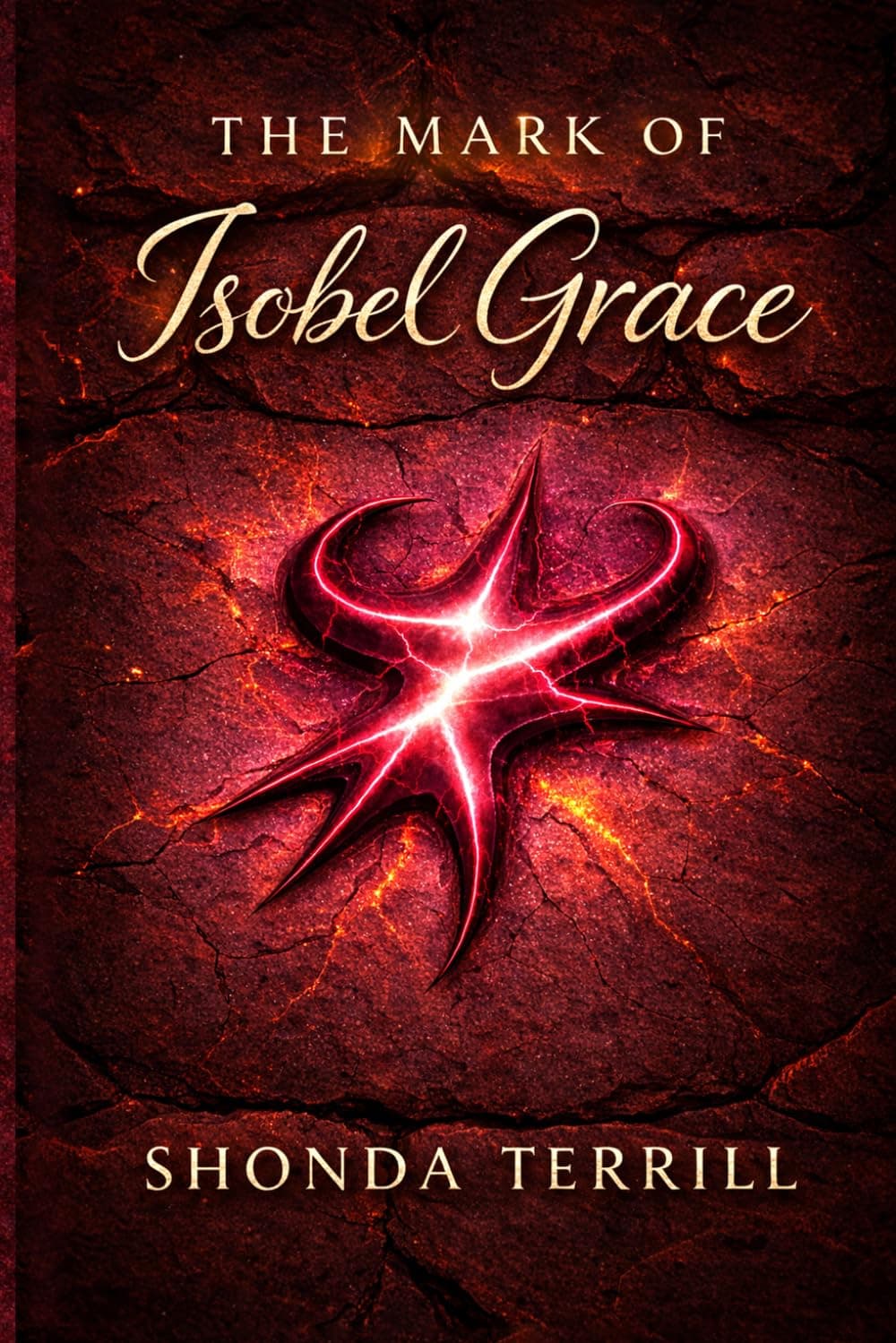
Shonda Terrill
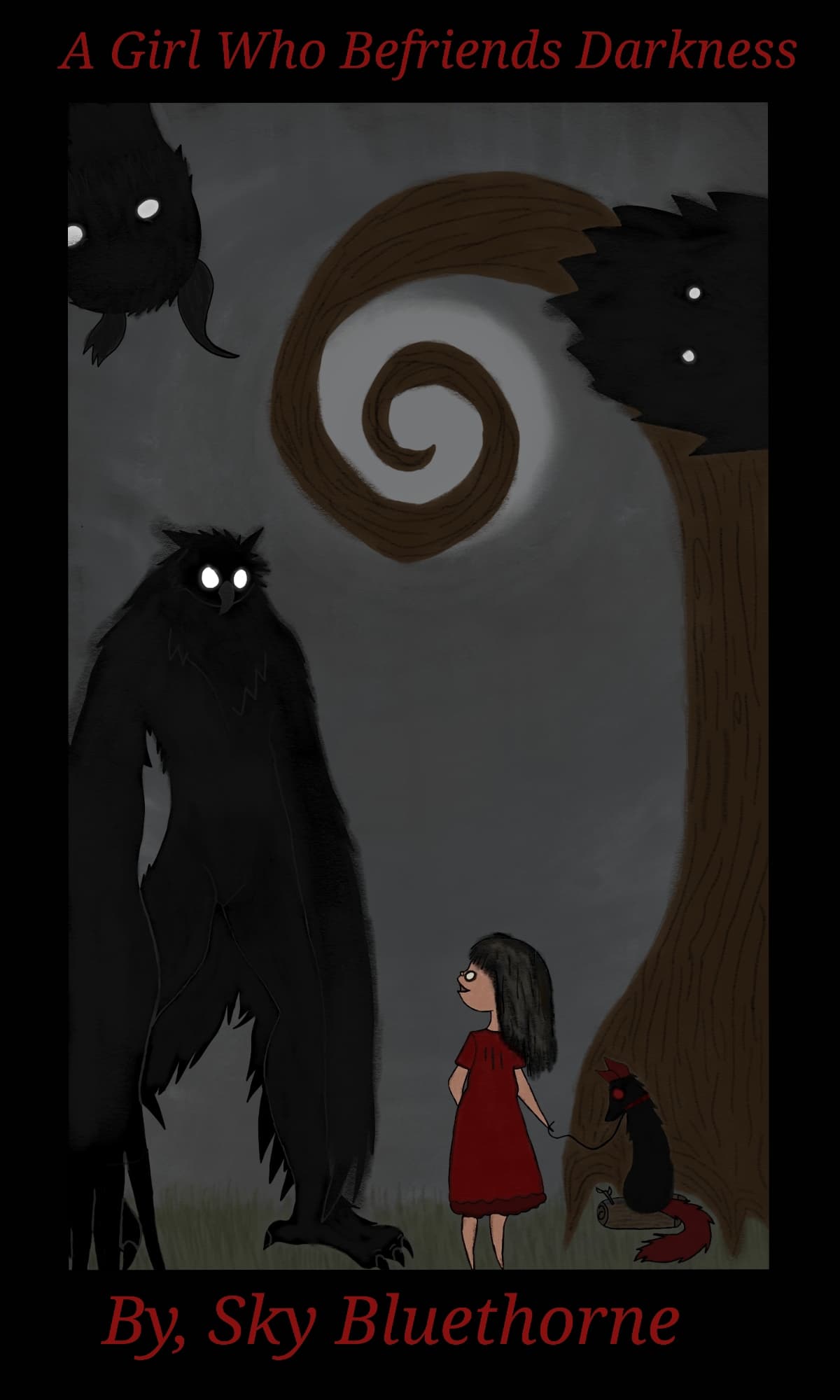
Sky Bluethorne
Indie authors send us advance copies. We match them to readers by genre. You get the book free, the author gets an honest review.