🏆 Win $50 — Monthly contest Enter →🏆 Monthly contest — 5 winners get $50 · Enter now →
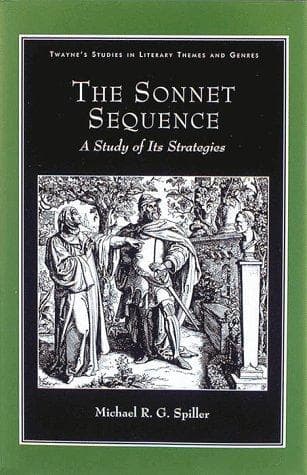
by Michael R. G. Spiller
On May 19, 1348, Francis Petrarch, already one of Europe's most celebrated poets, learned of the death of his beloved Laura. From then until his own death in 1374, he devoted much of his life to composing sonnets in praise of her. The 366 poems that resulted from this labor of love became known as the Rime Sparse ("Scattered Poems"), the most famous of early sonnet sequences. In the seven centuries since Petrarch's Rime Sparse, the sonnet sequence has captured the attention of some of Europe's and America's greatest poets. Dante, Shakespeare, Donne, Barrett Browning, Rilke, and Berryman are some who have found in the genre "the locus of a quest for understanding the self." This engagement with the question of identity is a keynote of the sonnet sequence and one reason for its critical importance as a genre. Michael R. G. Spiller suggests that the persistence of this difficult literary form can be attributed in part to its cohesive progressive sequence that at the same time respects the
No reviews yet. Be the first!
Roald Dahl
N.W. MARTIN