

by Gary D. Schmidt
When the Benedictine Reform movement reached Britain in the ninth century, it brought with it not only monastic reform, but also an enthusiasm for the arts as a way of broadening the appeal of the Christian message. While one aspect of this emphasis was the decoration of the church in order to create a place whose beauty suited the beauty of God, another was the creation of images that were readily accessible to a populace that depended upon oral and visual texts. The mouth of hell, which medievalist Gary D. Schmidt describes in this volume, was one such image, created in order to express vividly and dramatically the abstract concept of spiritual damnation. . The mouth of hell combined several different images, drawn from several different traditions that were still active in Anglo-Saxon culture. The leonine features of the mouth were drawn from Scriptural imagery, while the dragon-like aspects were combined from both the Scriptures and Anglo-Saxon visions of the draco. The notion of b

Shonda Terrill
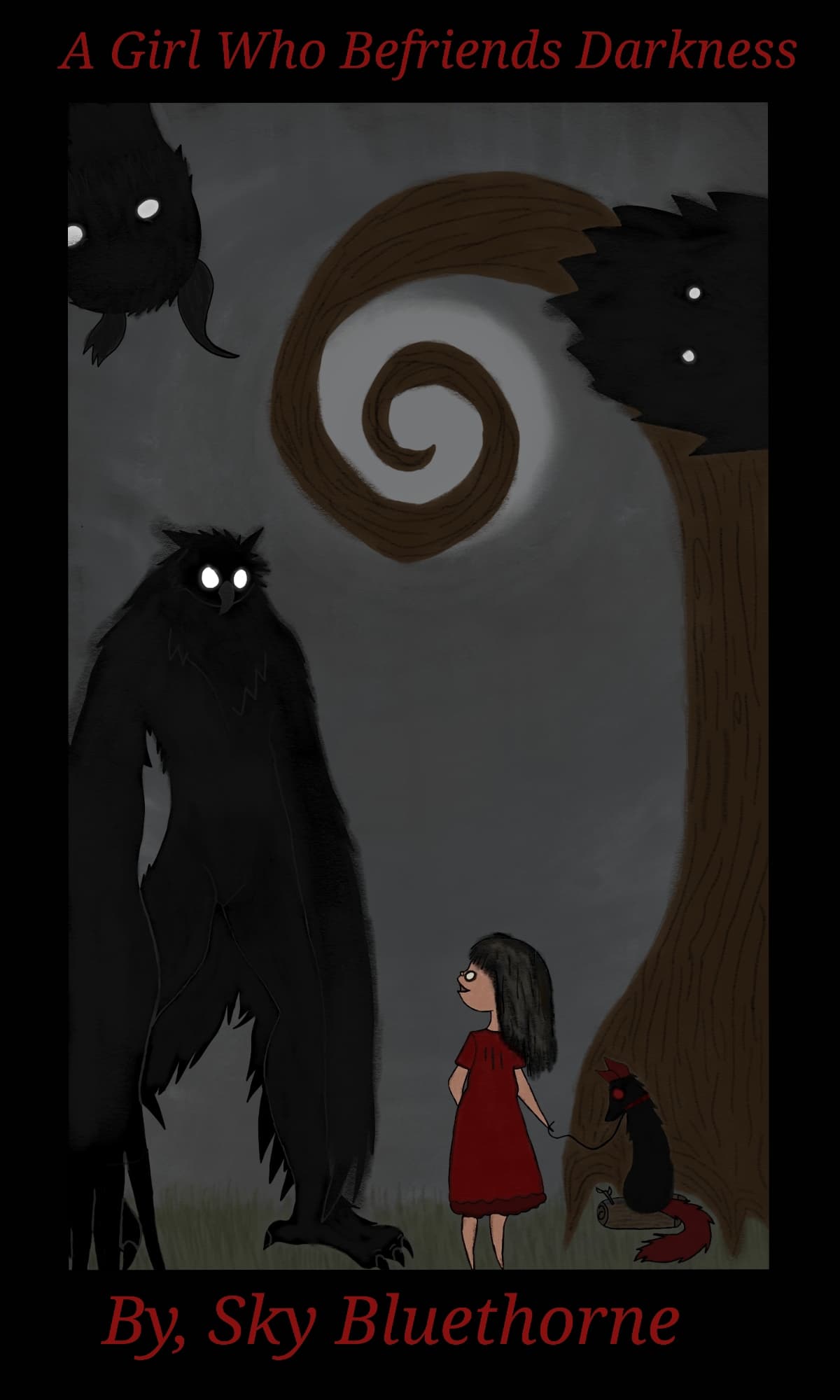
Sky Bluethorne
Indie authors send us advance copies. We match them to readers by genre. You get the book free, the author gets an honest review.