🏆 Win $50 — Monthly contest Enter →🏆 Monthly contest — 5 winners get $50 · Enter now →
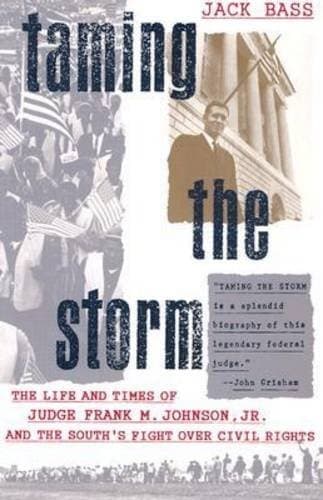
by Jack Bass
In 1955, the same year Rosa Parks refused to give up her seat on a Montgomery, Alabama, city bus to a white man, President Eisenhower brought down from the hills of northwest Alabama a young U.S. attorney to sit as a federal District Court judge in Montgomery. His name was Frank M. Johnson, Jr., and at thirty-seven he was the youngest federal judge in the country. Thrust by fate into the center of a raging storm of controversy, this quietly determined judge would turn. The tide of white resistance to integration with a stream of decisions that upheld the claims of black Southerners to their civil rights. In his twenty-four years on the District Court, Judge Johnson declared segregated public transportation unconstitutional, ordered the integration of public facilities, and required that blacks be registered to vote. He ordered Governor George Wallace, his former law school classmate, to allow the civil rights march from Selma to. Montgomery and brought about comprehensive statewide sch
No reviews yet. Be the first!
Mitchell, Barbara
Stanley Weintraub