

by Mark J. Roe
"The distinctive character of corporate business enterprise in the United States - large firms guided by powerful, centralized managers, historically deferential directors, and distant shareholders - is usually thought to be the inevitable result of economic and technological forces. In this major reinterpretation of the origins and evolution of corporate structure, Mark Roe shows that the nature of the American corporation derives not only from these forces but also from political decisions that made alternative forms of organization costly or illegal. Drawing upon work in economics, history, law, and political science, Roe argues that the role of politicians in mediating the interaction between firms and financiers is a critical, but neglected, part of the explanation why certain forms rather than others prevailed." "In their classic 1932 study, The Modern Corporation and Private Property, Adolf Berle and Gardiner Means argued that the separation of ownership and control was the cons
Erin Morgenstern
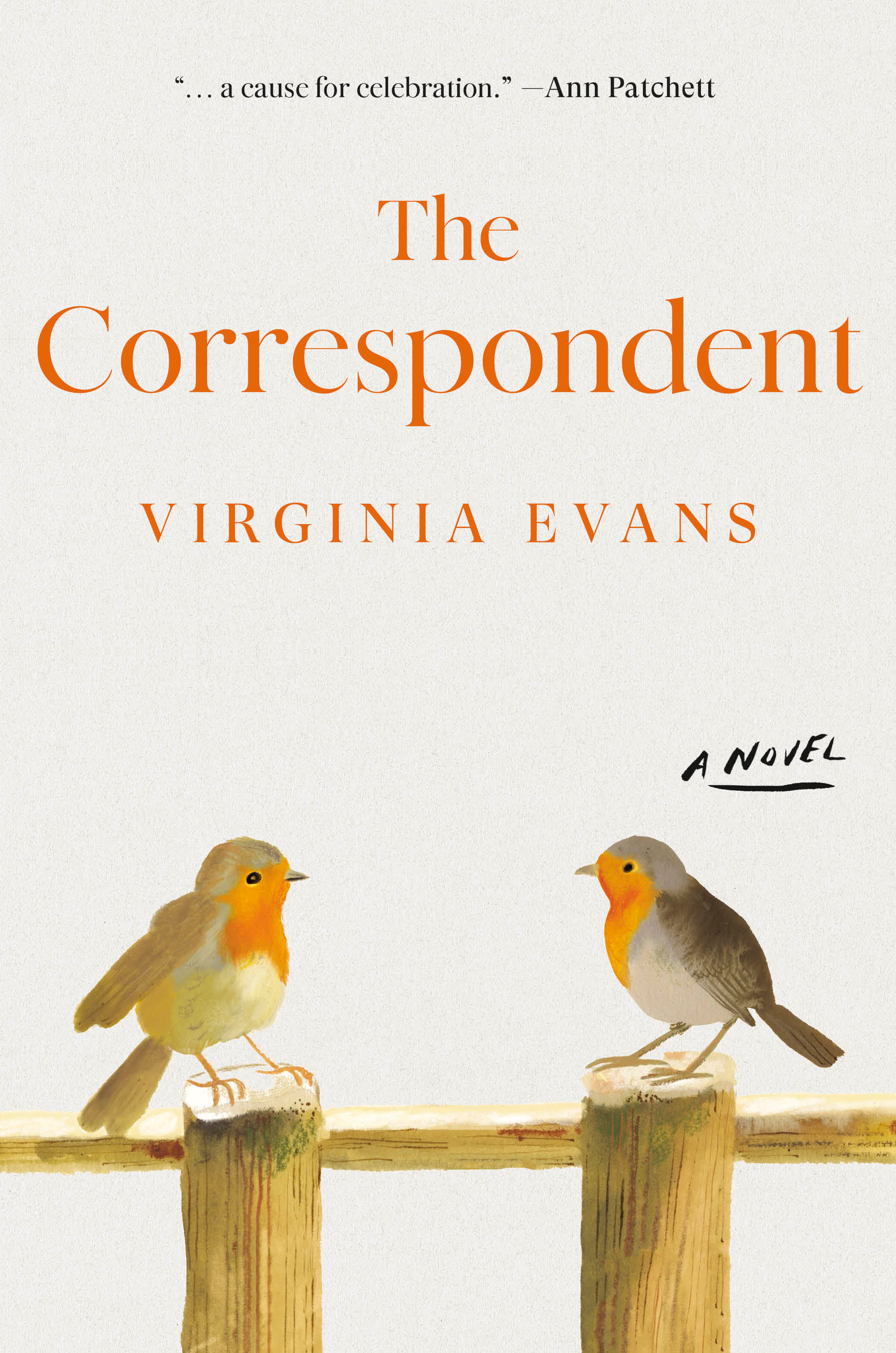
Virginia Evans
Indie authors send us advance copies. We match them to readers by genre. You get the book free, the author gets an honest review.