🏆 Win $50 — Monthly contest Enter →🏆 Monthly contest — 5 winners get $50 · Enter now →
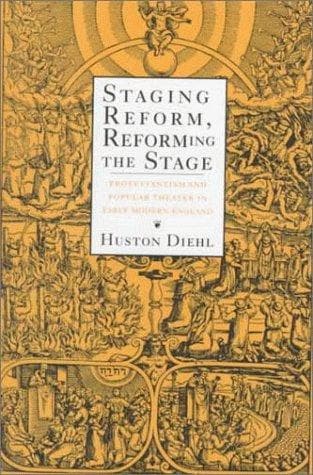
by Huston Diehl
Huston Diehl sees Elizabethan and Jacobean drama as both a product of the Protestant Reformation - a reformed drama - and a producer of Protestant habits of thought - a reforming drama. According to Diehl, the popular London theater, which flourished in the years after Elizabeth reestablished Protestantism in England, rehearsed the religious crises that disrupted, divided, energized, and in many respects revolutionized English society. Using as her central texts the tragedies of Thomas Kyd, Christopher Marlowe, William Shakespeare, Thomas Middleton, and John Webster, Diehl maintains that plays of the period reflexively explore their own power to dazzle, seduce, and deceive. Employing a reformed rhetoric that is both powerful and profoundly disturbing, they disrupt their own stunning spectacles. Out of this creative tension between theatricality and antitheatricality emerges a distinctly Protestant aesthetic.
No reviews yet. Be the first!
Roald Dahl
N.W. MARTIN