
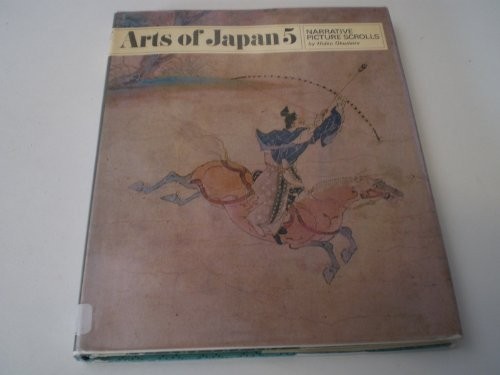
by Elizabeth Ten Grotenhuis
Known as emaki and sometimes ekotoba, these works contain pictures rendered on a handscroll which opens horizontally. In many cases they also contain written explanatory comments (kotobagaki) and are designed to be viewed in sequence when unrolled from right to left. The handscroll made its appearance very early in East Asian pictorial art, and Japan's emaki are derived from Chinese models. The many e-ingakyo (illustrated sutras of cause and effect) produced in Japan in the 8th century reproduced the text of a Buddhist sutra on the laws of causation (the Kako genzai ingakyo), with appropriate illustrations, and appear to be copies of Chinese originals. Japanese narrative handscrolls developed independently of continental models from the end of the Nara period through the medieval era. They developed in many different ways depending on the period and the subject matter. In the 12th century, the first and most famous of the Genji monogatari emaki depicted important scenes from The Tale o

Roald Dahl

Zora Neale Hurston
Indie authors send us advance copies. We match them to readers by genre. You get the book free, the author gets an honest review.