

by Gerty Spies
Theresienstadt, located in Czechoslovakia, was a peculiar concentration camp. It was publicized as a retirement city, a place for privileged and prominent Jews to sit out the war. In reality, it was a collection point, a Schleuse or "sluice," for arriving and departing transports, most of them destined for Auschwitz. Prisoners suffered from disease, starvation, exhaustion, overcrowding, and the persistent threat of deportation. Between 1941 and 1945, about 33,000 people died in Theresienstadt of disease and malnutrition, while about 88,000 were transported to the death camps in the East. The desperate need for self-preservation caused by the isolation and deprivations of camp life mobilized prisoners to cope in their own special ways. Some placed their emphasis on nourishment, others developed asocial traits of behavior, while others retained their cultural interests. These creative activities helped artists as well as amateurs block out the fear and uncertainty while helping to restor
V. E. Schwab
Alex Popa
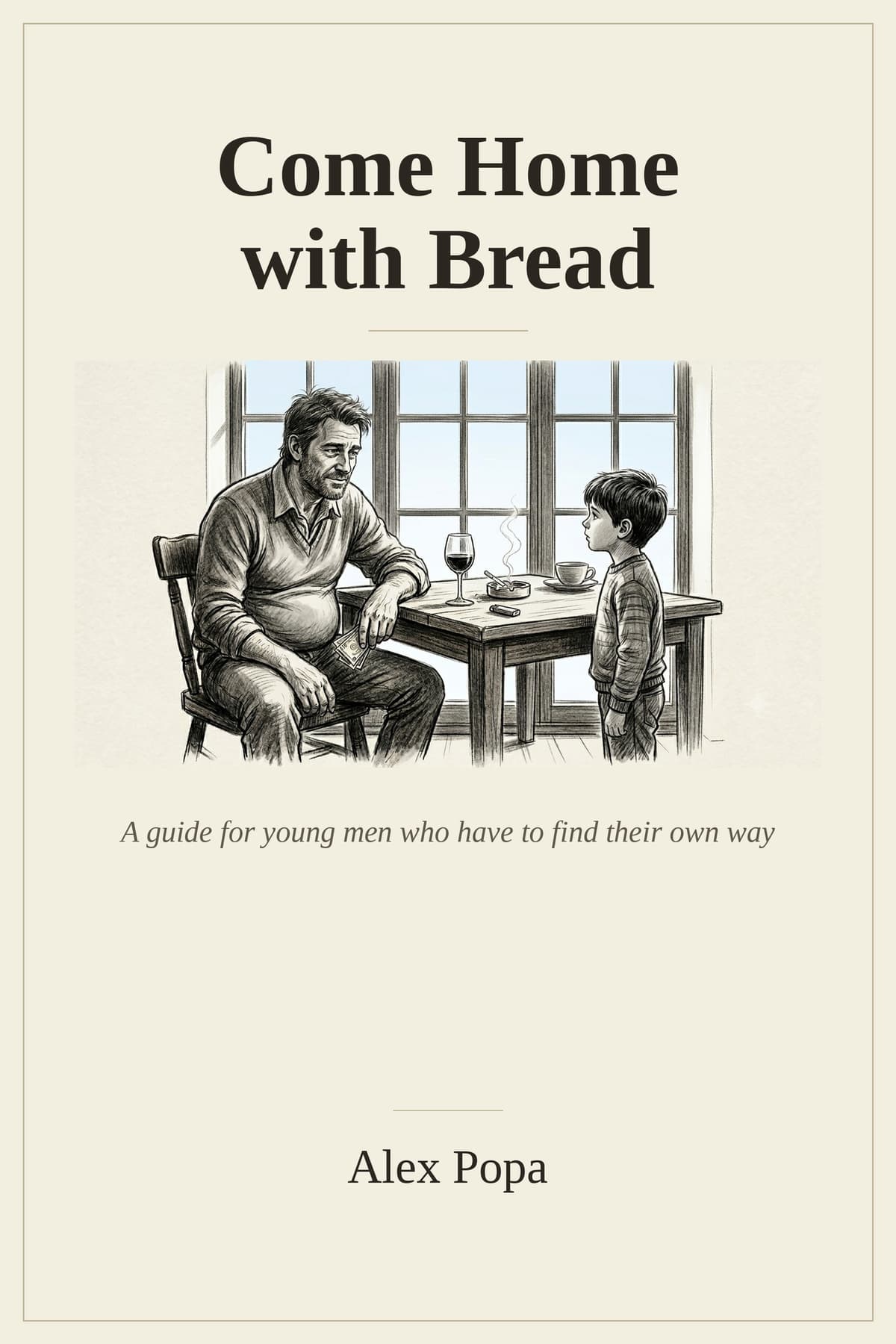
Indie authors send us advance copies. We match them to readers by genre. You get the book free, the author gets an honest review.