🏆 Win $50 — Monthly contest Enter →🏆 Monthly contest — 5 winners get $50 · Enter now →
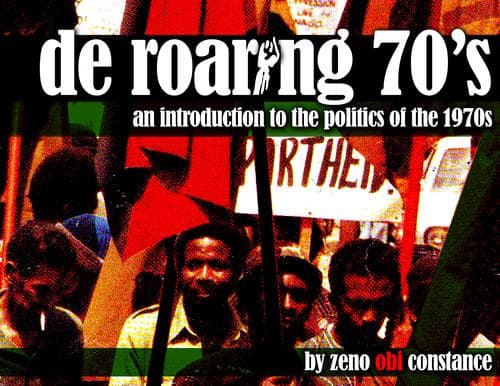
by Zeno Obi Constance
In the early months of 1970 – February 26th to April 21st – the newly independent nation of Trinidad and Tobago was rocked by the massive street protest demonstrations of the poor and the dispossessed under the banner of Black Power. Led by the charismatic Makandal Daaga (Geddes Granger)1 and the National Joint Action Committee (NJAC)2, a coalition of university students. Trade Unions leaders and concerned citizens, the people protested the conditions of poverty and colour discrimination that was 1970 Trinidad and Tobago. Protests were aimed primarily at the foreign domination of the country especially with regards to White Power and the external white control and influence on the local economy and culture. In meetings, marches and demonstrations which became a daily occurrence, NJAC leaders called for the end to racial prejudice and economic inequality, described by one poet as ‘the luxury of the few at the expense of the many’3. Thousands took to the streets daily with the cry of Pow
No reviews yet. Be the first!
Roald Dahl
N.W. MARTIN